
The pro audio retail business sits at the intersection of technology, music, and live production, serving everyone from hobbyists to touring professionals. Unlike general consumer electronics, pro audio retail focuses on specialized gear such as microphones, mixers, studio monitors, and signal processors. These products are often purchased not just for enjoyment but for income generation, which raises the stakes for quality, reliability, and support.
One defining characteristic of this industry is its highly knowledgeable customer base. Buyers often arrive with specific technical requirements, whether they are building a recording studio or upgrading a live sound rig. As a result, retailers must employ staff who understand signal flow, acoustics, and compatibility across complex systems.
The retail landscape includes both large chains as well as smaller boutique shops that cater to niche markets. While big retailers benefit from scale and inventory, smaller stores often differentiate through personalized service and deep expertise in select product categories.
E-commerce has dramatically reshaped the pro audio business. Online platforms allow customers to compare specs, prices, and reviews instantly, reducing the reliance on physical stores. Retailers have had to invest heavily in digital storefronts, detailed product pages, and educational content to remain competitive.
Despite the growth of online sales, physical retail still plays an important role. Many customers prefer to hear speakers, test microphones, or feel the build quality of equipment before making a purchase. Demo rooms and in-store experiences can be decisive factors, especially for high-ticket items.
Margins in pro audio retail can be tight, particularly on popular, high-volume products. Manufacturers often set minimum advertised pricing (MAP), limiting how much retailers can compete on price. This pushes stores to compete on service, financing options, and bundled packages instead.
Vendor relationships are critical in this business. Retailers depend on strong partnerships with manufacturers like Shure and Yamaha Corporation for product availability, training, and marketing support. Exclusive deals or early access to new gear can provide a competitive edge.
Education is a major component of successful pro audio retailing. Many stores produce tutorials, host workshops, or maintain blogs and YouTube channels to teach customers about recording techniques, live sound setup, and gear selection. This content builds trust and drives long-term customer loyalty.
The rise of home recording has significantly expanded the customer base. Affordable audio interfaces, DAWs, and microphones have enabled musicians to produce professional-quality recordings from their bedrooms. Retailers have adapted by offering entry-level bundles and simplified buying guides.
Commercial clients such as churches, schools, and event venues represent another important segment. These buyers often require consultation, installation, and ongoing support, turning a one-time sale into a long-term business relationship. This segment can be more stable than consumer sales but requires more resources.
Supply chain challenges have periodically impacted the industry, especially for electronic components. Delays and shortages can frustrate customers and strain retailer relationships. Managing inventory effectively has become more complex and strategically important.
Financing options are a key sales driver in pro audio retail. High-end equipment can cost thousands of dollars, so offering installment plans or credit options makes purchases more accessible. Retailers that provide flexible financing often see higher average order values.
Customer support and after-sales service are crucial differentiators. Troubleshooting audio issues can be complex, and customers value access to knowledgeable support teams. Some retailers assign dedicated sales engineers to clients, creating a more personalized experience.
Brand reputation plays a significant role in purchasing decisions. Customers often gravitate toward trusted names, even at higher prices, due to the importance of reliability in professional settings. Retailers must carefully curate their product selection to align with these expectations.
Used and refurbished gear is another important segment. Many professionals are willing to buy second-hand equipment to save money, especially for items like microphones and outboard gear. Retailers can capitalize on this by offering trade-in programs and certified used products.
The integration of software into audio workflows has expanded the product mix. Digital audio workstations, plugins, and virtual instruments are now core components of many setups. Retailers must navigate licensing, downloads, and compatibility issues in addition to physical inventory.
Competition extends beyond traditional retailers to direct-to-consumer sales by manufacturers. Some brands sell directly through their own websites, potentially undercutting retailers. This trend forces retailers to emphasize value-added services rather than just product availability.
Marketing in pro audio retail often relies on community engagement. Sponsoring local events, supporting musicians, and collaborating with content creators helps build brand awareness. Authenticity is particularly important in a market driven by passion and expertise.
Technology continues to evolve rapidly, requiring retailers to stay current with new standards and innovations. From immersive audio formats to networked audio systems, staying ahead of trends is essential for maintaining credibility and relevance.
Looking ahead, the pro audio retail business will likely continue blending physical and digital experiences. Successful retailers will be those that combine deep technical knowledge, strong customer relationships, and seamless online integration to meet the evolving needs of audio professionals.

DJ & Club Gear

DJ & Club Gear



DJ & Club Gear
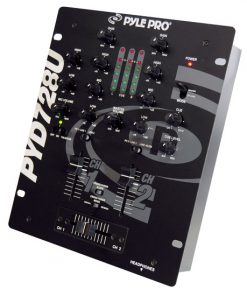
DJ & Club Gear
